Aletha Health Range Review: Tools That Treat Tension Where It Starts
Neck stiff, shoulders tight, or back aching for no clear reason? For many people, the pain isn’t where the problem begins. Aletha Health built its Range line of tools around this exact idea—that muscles and connective tissue hold tension patterns that ripple through the body. Instead of treating the sore spot directly, these products are designed to release the trigger points causing the chain reaction.
In this review, we’ll look at what the Range collection offers, how each tool works, and whether it’s worth adding to your recovery kit.
The Range Line at a Glance
- Designed for Trigger Point Release – Targets hidden causes of chronic aches.
- Three Key Tools – NUCKLE, Hip Hook, and Flex Disc.
- Trusted in Physiotherapy Circles – Created by clinicians who specialise in body mechanics.
- Portable and Easy to Use – Compact enough for home, gym, or travel use.
- For Active Recovery – Helps improve range of motion, posture, and overall comfort.
Product Snapshot

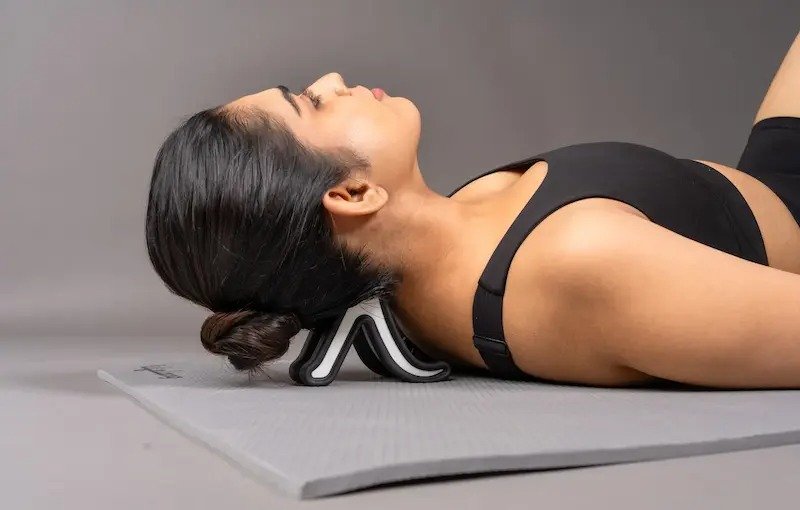
Using the tools takes a bit of learning. The NUCKLE slots under the neck or shoulders, applying steady pressure where most people carry stress. The effect feels intense at first but eases as muscles relax.
The Hip Hook is more specialised—you position it at the front of the hip and lean in gradually. For those who spend hours sitting, the release can feel surprising, like letting go of a hidden knot that’s been pulling on the back or pelvis.
The Flex Disc adds an active component. Standing or kneeling on it engages stabilising muscles, while its surface can be used for rolling out calves, hamstrings, or glutes. The balance challenge makes it more than a static recovery tool.
Who It’s For
Aletha Health’s Range line is a good fit for:
- Office workers dealing with postural tension
- Athletes or active people needing deeper recovery
- Anyone with recurring hip, back, or neck tightness that traditional stretching hasn’t solved
- People open to learning how to use self-release tools properly
It may not be the right match if you’re looking for a casual relaxation tool—these are built for targeted therapy rather than spa-like comfort.
Comparisons
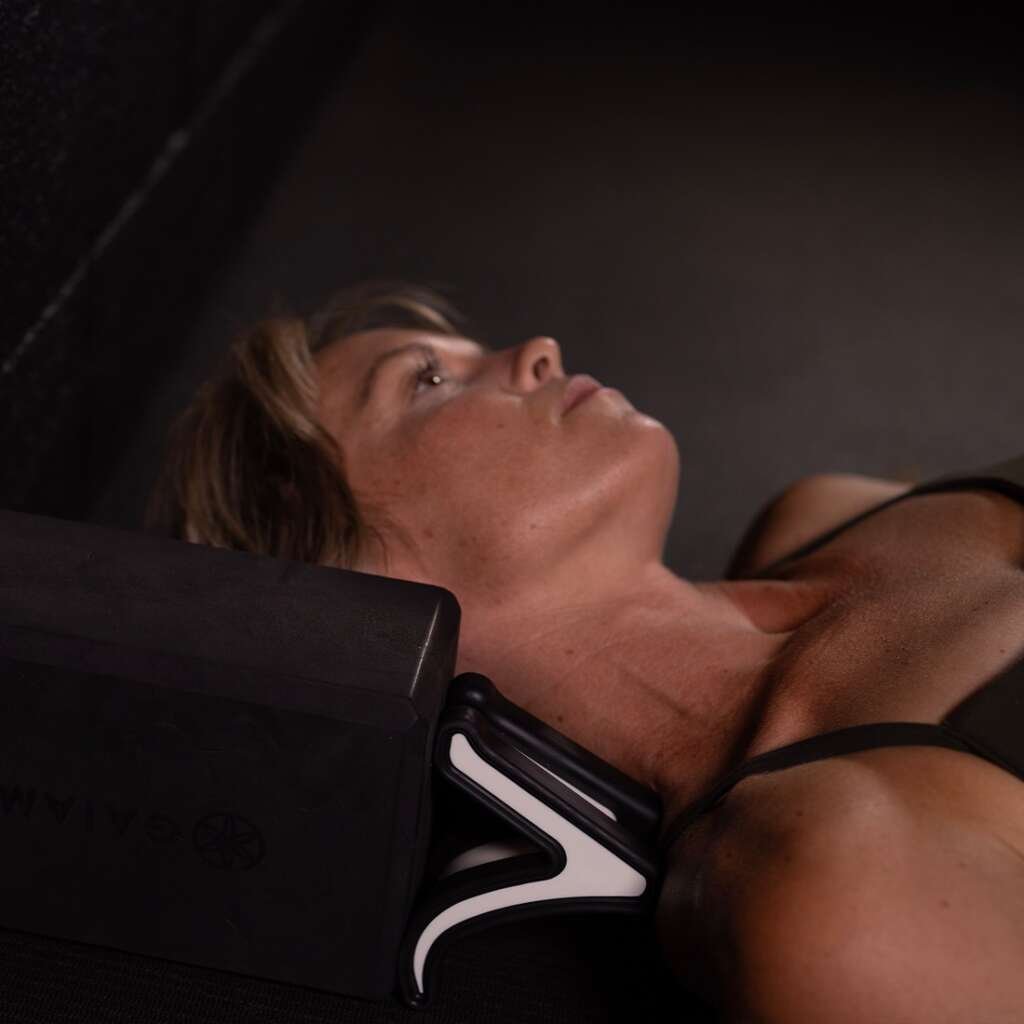
Compared to foam rollers or massage guns, the Range tools are more precise. Foam rollers cover large areas but struggle with trigger points. Massage guns offer quick relief but don’t always reach deeper stabilising muscles.
Aletha’s products sit in a middle ground: compact, intentional, and effective for pinpoint release. They’re closer to having a therapist’s thumb than a general-purpose gadget.
FAQs
Q: Do I need training to use these tools?
A: Basic guidance videos are provided, and most users adapt quickly with practice.
Q: Can they replace physiotherapy?
A: They’re designed to complement professional care, not replace it. For chronic pain, consulting a clinician is still recommended.
Q: How often should I use them?
A: Many users benefit from short daily sessions, especially after sitting or workouts.
Q: Are the tools portable?
A: Yes, all three fit easily in a backpack or gym bag.
Practical Recovery for Real-Life Bodies
The Aletha Health Range collection isn’t flashy, but it’s highly functional. By focusing on overlooked muscles and tension points, these tools bring clinical insight into everyday recovery routines. They aren’t the cheapest option, and they demand a little patience while you learn proper use, but the payoff is meaningful: better mobility, less nagging tension, and a deeper understanding of your own body mechanics.
If you’ve tried foam rollers and massage guns without lasting relief, this line deserves a serious look. It’s not about temporary comfort—it’s about restoring how your body moves.

You May Also Like

Missoma Chain Length Guide: Finding the Perfect Fit for Your Everyday Look
Why Tisserand Makes Aromatherapy Feel Like Self-Care You Can Trust